Unlocking the Power of Beef: A Nutritional Ally for Those on Weight Loss Medications
by: lillie berman, ms, rd


Medications can help, but nutrition still matters... a lot
While the results from these medications can be transformative, they’re not without challenges. One of the biggest hurdles with weight loss medications is making sure your body still gets the nutrients it needs. With a reduced appetite, there is an increased risk for nutritional deficiencies and unintended loss of muscle and bone mass instead of just fat. Side effects such as nausea, constipation, or diarrhea can also make eating healthy more difficult.Thats why nutrient-dense, high-protein meals are more important than ever, and choosing the right foods and building healthy eating habits is still key to long term success. It's important to prioritize high-quality lean protein, high-fiber foods, hydration and balanced meals with portion size in mind. Many find smaller, more frequent meals and avoiding high fat, high-sugar and spicy foods helps reduce negative side effects.
Lean beef for your wellbeing journey
If you are eating less overall, every bite counts. Incorporating lean beef into medication supported weight loss plans is not only smart... it’s strategic. While all cuts of beef support a healthy diet, leaner cuts can help you save calories while still providing the full list of essential nutrients only beef is known for. This helps ensure that while calorie intake may be lower, nutrient intake remains robust, a key to long-term health and weight management success.- 25 grams of high-quality protein
- About 170 calories
- Nine other essential nutrients including iron, zinc, choline, B-vitamins, selenium, and phosphorus
Tips for Choosing Lean Beef
- Look for lean cuts by looking for “round” or “loin” on the name (Sirloin, Tenderloin, Top Round, etc).
- Ground beef that is 93% lean or leaner meets government guideline for “lean”
Recipe inspiration: supporting weight loss without sacrificing flavor
Whether you’re looking for high-protein snacks, portion control options, or meal prep ideas, beef can fit nicely into a balanced, medication-supported weight loss plan. The goal? Keep meals nutrient-rich, easy to prepare and satisfying in small servings.Incorporating beef is simple:
- Small bites for big impact- Mini meals can be perfect when you have a reduced appetite. Try one of these high-protein options. They are small in size but full of flavor and essential nutrients!
- Beef Spring Rolls with Carrots and Cilantro
- Spicy Korean Beef & Cucumber Appetizers
- Beef & Vegetable Meatballs
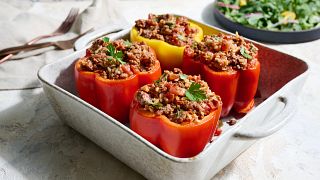
- Beef and Couscous Stuffed Baby Bell Peppers
- Mini Beef Tacos with Citrus Salsa
- Mini Meatballs with Apricot Dipping Sauce
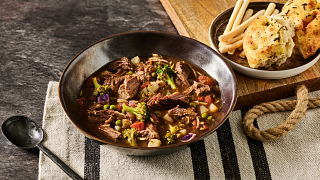
- Braised Beef with Potato Latkes
- Beef and Blue Cheese-Stuffed Mushrooms
- Smart high protein snacks- Choosing recipes that are easily customizable allows for control over the portion size. Mix and match vegetables, marinades, and flavors to suit your taste preferences or spice tolerances. Kabobs are especially versatile to satisfy any size of appetite. One skewer or two – it's up to you! For Kabob inspiration and tips, click here!
"Including lean beef into medication supported weight loss plans is not only smart... it's strategic."
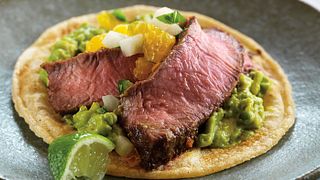
Mini Beef Tacos with Citrus Salsa
This Flat Iron Steak recipe takes tacos to an impressive place for your next party. Bright flavors and a bit of heat will wow your guests.
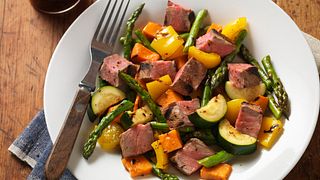
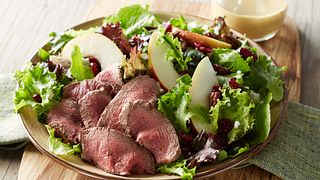
Grilled Steak and Veggie Salad
Take your salad over the top with delicious and tender Strip Steak bites.
- Batch cooking & meal prep made easy
Meal prep through batch cooking is a great way to create ready-to-go, high-protein meals. Cook family-sized portions with the intention of using leftovers (aka “planned -overs”) for multiple quick meals throughout the busy week.
Try prepping proteins, like shredded pot roast or steak ahead of time. Quick stir-fry's are also a great option because they are customizable to add your favorite flavors paired with lean beef cuts and high fiber vegetables like broccoli, edamame, or bell peppers. Need more inspiration? Our Beefy Sweet Potato Hash or Cuban Crispy Shredded Beef are our favorite quick and satisfying recipes for meal prep and leftovers.
- High protein, high fiber combos
Pairing lean beef with high fiber foods like whole grains and leafy greens creates a nutrient dense combination that supports digestive and gut health. You know what that means... goodbye, constipation!
The dishes below are high in fiber, full of flavor, and packed with protein... they check all the boxes!!
By choosing small but mighty high-protein meals that feature beef and high fiber foods, you can support your health goals in a sustainable and satisfying way. With tools and resources from Beef - It's What's For Dinner, incorporating beef as part of a healthy, balanced diet has never been easier- or more delicious!
Subscribe to our newsletter so you don't miss the best recipes, cooking tips, and more.
- Emmerich SD, Fryar CD, Stierman B, Ogden CL. Obesity and severe obesity prevalence in adults: United States, August 2021–August 2023. NCHS Data Brief, no 508. Hyattsville, MD: National Center for Health Statistics. 2024. DOI: https://dx.doi.org/10.15620/cdc/159281
- Garvey WT, Batterham RL, Bhatta M. Two-year effects of semaglutide in adults with overweight or obesity: the STEP 5 trial. Nat Med 28, 2083–2091 (2022). https://doi.org/10.1038/s41591-022-02026-4
- Montero A, Sparks G, Presiado M, Hamel L. KFF Health Tracking Poll May 2024: The Public’s Use and Views of GLP-1 Drugs. KFF. 2024. https://www.kff.org/health-costs/poll-finding/kff-health-tracking-poll-may-2024-the-publics-use-and-views-of-glp-1-drugs/
- U.S. Department of Agriculture, Agricultural Research Service, Beltsville Human Nutrition Research Center. FoodData Central. [Internet]. [cited (May 21, 2024)]. Available from https://fdc.nal.usda.gov/. NDB#13364.
- He W, Connolly ED, Cross HR, Wu G. Dietary protein and amino acid intakes for mitigating sarcopenia in humans. Crit Rev Food Sci Nutr. 2025;65(13):2538-2561. doi:10.1080/10408398.2024.2348549
- Liu Z-M, Huang Q, Long H-H, Li S-Y, Wu Y, Zhang S-J, Tang X-Y, Chen Y-M. Increased Dietary Intakes of Total Protein, Animal Protein and White Meat Protein Were Associated with Reduced Bone Loss—A Prospective Analysis Based on Guangzhou Health and Nutrition Cohort, South China. Nutrients. 2023; 15(6):1432. https://doi.org/10.3390/nu15061432
- Wood AC, Graca G, Gadgil M, et al. Untargeted metabolomic analysis investigating links between unprocessed red meat intake and markers of inflammation. Am J Clin Nutr. 2023;118(5):989-999. doi:10.1016/j.ajcnut.2023.08.018
- Agarwal S, Fulgoni VL 3rd. Contribution of beef to key nutrient intakes in American adults: an updated analysis with NHANES 2011-2018. Nutr Res. 2022;105:105-112. doi:10.1016/j.nutres.2022.06.009